Imagine waking up one day, only to find your Amazon seller account suspended, with all your listings down, sales halted, and your revenue frozen.
An inauthentic suspension on Amazon can feel like a devastating blow to your business. After investing countless hours and resources in building your brand, a single claim of inauthenticity can bring everything to a sudden halt.
This suspension isn’t just a temporary inconvenience; it can lead to severe consequences if not addressed promptly.
Whether you’ve received complaints from customers or Amazon’s algorithm has flagged your products, the result is the same: your account is at risk.
What Causes an Amazon Inauthentic Suspension?
An “inauthentic” suspension on Amazon happens when the platform suspects that one or more of your products may not be genuine or properly authorized. This violation is categorized under Amazon’s stringent anti-counterfeit and authenticity policies, often referred to as a “Section 3” breach of the Business Solutions Agreement, as noted in the suspension notice.
An Amazon inauthentic suspension can happen for several reasons, even if you’ve done everything right. Here’s why Amazon might flag your account:
- Customer Complaints: If a buyer claims the product doesn’t seem genuine or differs from what they expected, Amazon may automatically flag it.
- Algorithmic Flags: Selling branded items at unusually low prices or having questionable sourcing might trigger Amazon’s systems.
- Brand Complaints: Brands or rights owners might report your listing if they suspect you’re not authorized to sell their products.
- Missing Documentation: Failure to provide proper invoices or authorization letters can result in suspension. Amazon wants clear proof of where your inventory is sourced from.
These suspensions are often quick and can freeze your funds, but understanding the triggers is crucial to getting reinstated.
For a free legal consultation, call 888-600-1925
Steps to Take After Receiving an Inauthentic Suspension Notice
When you receive an inauthentic suspension notice from Amazon, staying calm and taking strategic steps is crucial for resolving the issue effectively.
- Review the Suspension Notice
Carefully review the suspension notification to identify the flagged ASINs and the specific concerns Amazon has.
- Don’t Rush the Appeal
While it’s natural to feel anxious, don’t send an impulsive or poorly thought-out appeal. Take your time to gather the required documentation and carefully craft your response.
- Secure Your Account and Inventory
Although your selling privileges are suspended, you can still access your Seller Central account. Download reports, including recent orders, returns, and buyer feedback related to the affected ASINs. If you’re fulfilling orders yourself, stop shipping any flagged items. For FBA sellers, consider removing flagged inventory if needed.
- Collect Documentation
Start gathering all relevant proof of authenticity, such as invoices from authorized suppliers, product images, and any certification or authorization letters. Ensure the documentation is clear and well-organized.
- Analyze the Issue
Reflect on why your account might have been flagged. Is it a simple mistake, such as incorrect listing details, or a more serious issue, such as unreliable suppliers? Addressing the root cause will help you craft a more effective appeal.
How to Create a Comprehensive Plan of Action for an Inauthentic Suspension?
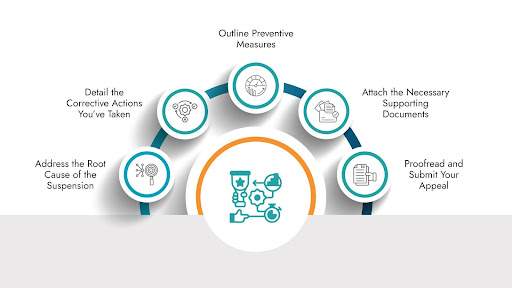
1. Address the Root Cause of the Suspension
The first step is to pinpoint what led to the inauthentic suspension. Was it a supplier issue, packaging confusion, or a listing error? Acknowledge the cause honestly and specifically. For example:
- 2. Supplier-related issues: “The issue arose due to a gap in our supply chain documentation. We failed to submit the required invoices, which led Amazon to doubt the authenticity of the products.”
- 3. Packaging concerns: “The manufacturer updated the packaging, and a customer mistook the new packaging for counterfeit.”
Once you’ve identified the root cause, explain it clearly and show that you’ve understood why it happened.
2. Detail the Corrective Actions You’ve Taken
After identifying the root cause, describe the actions you’ve already taken to address the issue. This might include:
- Providing proof of authenticity, such as invoices and supplier authorization letters.
- Correcting the product listing to match the current packaging or accurate product details.
- Removing questionable inventory from Fulfillment by Amazon (FBA) until you verify the authenticity.
- Contacting suppliers to confirm their authenticity and securing any necessary documentation.
These steps demonstrate to Amazon that you’ve taken immediate action to resolve the problem.
3. Outline Preventive Measures
To prevent this from happening again, explain the steps you’re implementing to improve your practices:
- Stricter supplier vetting: Ensure that all future suppliers provide clear documentation and verify their authorization to sell the products.
- Regular audits: Conduct periodic audits of inventory, product listings, and supplier contracts to ensure compliance with Amazon’s standards.
- Employee training: Retrain your team on Amazon’s policies and the importance of accurate listings and proper documentation.
- Customer feedback monitoring: Actively monitor reviews and customer messages for signs of authenticity concerns, and address issues before they escalate
4. Attach the Necessary Supporting Documents
When submitting your appeal, ensure you include all necessary documentation in an organized manner.
Combine invoices, authorization letters, and proof of action into a single PDF with a clear file name. This makes it easier for Amazon to review your case and speeds up the reinstatement process.
5. Proofread and Submit Your Appeal
Before submitting, proofread your Plan of Action to ensure clarity and professionalism. Once your POA is ready, submit it via Seller Central or include it in your email response to the suspension notice.
Be patient, but also stay proactive, follow up if necessary, and respond promptly to any further requests from Amazon.
If your initial appeals have been denied or the case is complex, seeking professional legal advice is highly recommended.
Click to contact our amazon law lawyers today
Ensure Your Amazon Accounts Stay Compliant

Managing Amazon seller accounts can accelerate your growth, but it also puts you under Amazon’s strict compliance lens. You need a precise, evidence-backed explanation that shows your accounts are legitimate, compliant, and independently operated.
At ESQGo, we work with complex multi-account structures every day. We understand how Amazon links accounts, reviews, and supporting documents, and how it evaluates genuine business needs versus policy violations. At ESQgo, our team of attorneys:
- Analyze how your accounts are set up and how they are interconnected.
- Identify risk areas that could trigger related-account flags.
- Prepare structured, legal submissions that help Amazon view your accounts as separate businesses.
Evaluate risks, correct structural gaps, and build a compliance strategy aligned with Amazon’s multi-account expectations.
Get legal support for your Amazon seller accounts today.
Call or text 888-600-1925 or complete a Free Case Evaluation form